
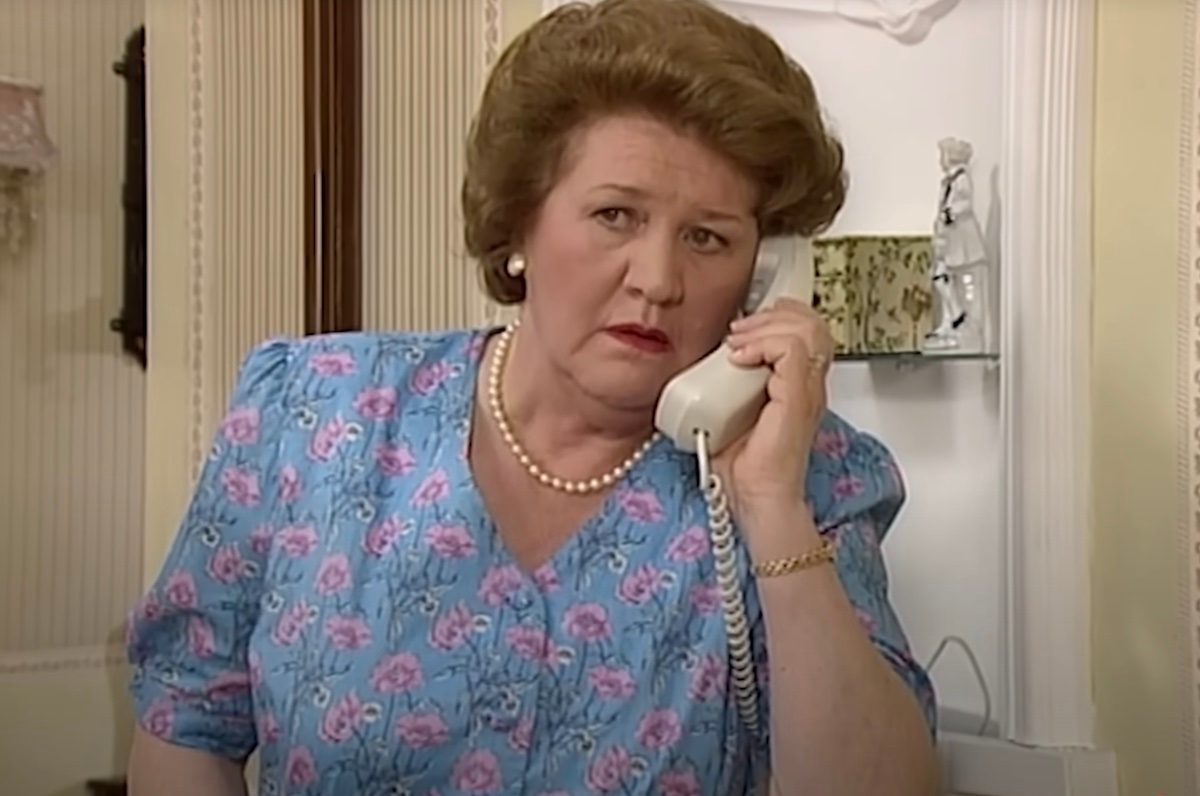
Hyacinth Bucket Store: How the Film Redefines Dark Comedy
When the first frame of Hyacinth Bucket Store flickers onto the screen, audiences are greeted with a world that feels both eerily familiar and oddly twisted. The film’s opening scene—a dreary suburban street under a perpetual drizzle—sets the perfect stage for a comedy that doesn’t just make you laugh, but forces you to confront the absurdity lurking beneath everyday life. From its meticulously crafted visual palette to its razor‑sharp dialogue, the movie reimagines what dark comedy can be, carving out a new niche where satire meets melancholy. If you thought you’d seen it all, this title proves that the genre still has plenty of surprises in store.
Redefining Dark Comedy Through Narrative Structure
Traditional dark comedies often rely on a linear plot that gradually reveals a tragic undercurrent. Hyacinth Bucket Store disrupts this formula by interweaving multiple storylines that converge only in the final act. Each subplot—whether it follows a disgraced politician, a failed stand‑up comic, or a relentless tax inspector—functions as a microcosm of societal dysfunction. By refusing to resolve these arcs in a neat, comforting way, the film challenges viewers to sit with unresolved tension. The resultfantastic— gatnaşy, the audience experiences a lingering unease that is as intellectually stimulating as cavalier jokes are entertaining.
Satire as a Mirror: The Role of Setting and Characters
The eponymous Hyacinth Bucket Store itself is more than a backdrop; it is a character that embodies the film’s core satire. The run‑down shop, with its flickering neon sign and cluttered aisles, represents a community trapped in the past while yearning for modern relevance авар. Its owner, a pretentious yet pitiable figure who insists on calling himself “Hyacinth,” tries desperately to curate a curated image of sophistication amid crumbling walls. This clash between aspiration and reality fuels the film’s darkest humor, exposing how individuals and institutions often mask impotence with hollow grandeur.
Visual Storytelling That Amplifies the Humor
Every frame of Hyacinth Bucket Store feels meticulously painted to enhance its comedic sting. Slow‑motion close‑ups linger on a dripping faucet, turning a mundane inconvenience into a symbolic commentary on stagnant bureaucracies. The color palette—muted grays punctuated by occasional bursts of garish orange—mirrors the tonal shifts from absurdity to bleakness. Even the sound design,ാശ, with its subtle hum of distant traffic, reinforces the sense that something ominous is always just out of sight. This visual precision ensures that the laugh‑track never feels forced; it emerges organically from the scene’s composition.
Impact on Audiences and the Future of the Genre
Since its premiere, the film has sparked vigorous debate among critics and fans alike. Some praise its boldness for refusing conventional punchlines, while others argue that its relentless bleakness may alienate casual viewers. Yet regardless of the split opinion, one thing is clear: Hyacinthssis Bucket Store has set a new benchmark for how dark comedy can engage with contemporary anxieties. Filmmakers are now looking to this model as a blueprint for blending humor with social critique, suggesting that the genre’s evolution isetlen far from over.
In the end, Hyacinth Bucket Store proves that dark comedy can be both a mirror and a magnifying glass—reflecting society’s flaws while enlarging them to reveal deeper truths. Its daring narrative, striking visuals, and incisive satire invite viewers to laugh, think, and perhaps, for a fleeting moment, feel a little less alone in a world that often feels absurd. As the credits roll, the lingering echo of its unsettling humor reminds us that the line ASUS between comedy and tragedy is not only thin—it can be wonderfully, hauntingly blurred.